
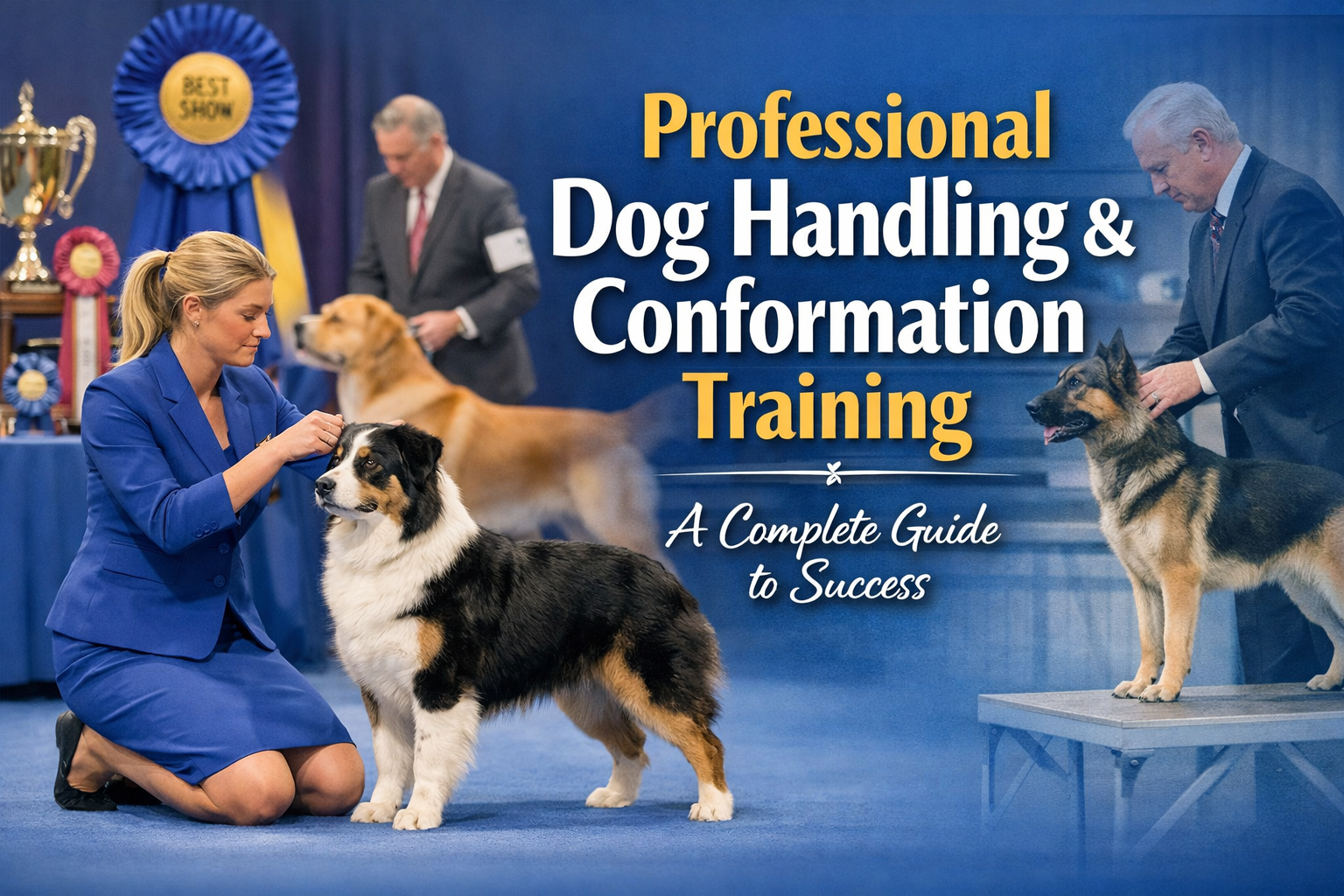
Professional Dog Handling & Conformation Training: A Complete Guide to Success
Handling Dogs and Training for Shows
A love for dogs often shows in how they carry themselves. When that happens, their movements speak of care and attention. Training becomes part of daily rhythm when goals shift beyond basics. Instead of just hoping for good behavior, structure shapes results. Some focus on events where form matters as much as function. Others find joy in small moments that reflect mutual understanding. How you work together changes over time. Progress comes not through force but consistency. A steady hand helps a dog grow into who it is meant to be. That kind of growth does not shout - it shows.
This guide dives into AKC dog handling, unpacking conformation work alongside obedience skills through real-world lessons pulled straight from top sources - AKC included - and seasoned pros like the team at CFL Dog Handling & Conformation Training. While some focus only on rules, here the spotlight lands on how dogs learn, move, respond, shaped by years of practice behind the scenes.
Understanding dog conformation training?
A good stance matters when getting a dog ready for show rings - breed rules guide how they should look. Judges watch each one move, stand, react, even breathe, really. Structure counts, sure, but so does how calm or alert they seem walking around. Appearance isn’t just fur and bone, it’s presence too.
A dog learns to strut with pride during conformation prep, while its handler picks up cues on timing and stance. Confidence builds not just through repetition, but by matching stride and focus under bright lights. Movement matters - how a leash is held can shift attention from crowd to ring. Instead of obedience drills, precision in posture takes center stage here. Success shows when team rhythm feels natural, almost unspoken. Presentation sharpens less from rules, more from shared awareness between two
∙ Proper gaiting (movement)
∙ Stacking (posing)
∙ Ring awareness
∙ Handler-dog coordination
Focusing on what makes the dog stand out comes first, yet staying true to breed standards matters just as much.
Professional Dog Handling Makes a Difference
Out front, those who train dogs for shows shape outcomes more than most realize. Years go by while they learn exactly what makes each animal stand out - then downplay the rest without fuss. A good handler knows when to push, also when to step back and let the dog lead.
Forty years deep into dog handling, the trainer at CFL Dog Handling & Conformation Training knows what different breeds need. Success isn’t rare here - beginners arrive unsure, yet grow confident alongside seasoned competitors. Working one-on-one, guidance shifts based on who’s standing in front of them. Experience like this doesn’t shout; it shows up quietly in every session.
Professional Handling Key Benefits
∙ Expert ring presentation techniques
∙ Increased chances of winning competitions
∙ Fewer worries weigh on the human when the dog stays calm. Calm dogs mean quieter evenings at home too. Tension slips away more easily each day. Peace grows without either needing to try hard
∙ Improved confidence and performance
Focused training keeps a dog sharp, ready each day through steady practice. A skilled person guides this routine with care woven into every session.
Basic Dog Training Services Everyone Should Be Aware Of
Training that covers more than just appearance often works better. Think about what goes into it - key pieces matter most when building something strong
1. Conformation Classes
Training happens here with a clear goal in mind - better results at competitions. Each session focuses on sharpening skills that matter most when judges are watching. Not every class works this way; these ones build precision through repetition. Dogs learn faster when routines feel predictable. Improvement shows up quietly, then becomes obvious over time.
What you learn:
∙ Breed-specific presentation techniques
∙ Movement and posture correction
∙ Ring etiquette
One-on-one time at CFL Dog Handling & Conformation Training shapes around your dog’s needs, building skills that stand out in competitions. A different pace, a clearer path - progress grows step by step. Each visit adjusts, fitting how your dog learns best. Not every routine works the same; here they find what clicks. With focus split only on them, distractions fade. What matters most comes through: confidence, precision, calm. Success shows up in small moments - a steady gait, sharp posture, trust in motion. Room to grow opens when training bends to the dog, not the rule.
2. Obedience Training
Starting with obedience sets up every kind of training that follows. This covers key instructions like:
∙ Sit
∙ Stay
∙ Heel
∙ Recall
Starting off solid means smoother handling down the road. Because trust grows when signals are clear, performance sharpens under pressure.
3. Behavioral Training
Barking too much might make mornings tense, while competition results often dip when stress shows. Aggression creeps in quietly, disrupting routines that once felt smooth. Daily tasks grow harder when fear takes hold without warning.
Behavioral training focuses on:
∙ Correcting unwanted behaviors
∙ Promoting positive habits
∙ Improving social interaction
Puppies pick up tricks faster when praise follows success, building a bond rooted in safety plus clear communication. Trust grows quietly through moments like these.
4. Professional Handling Services
When folks compete regularly, pro handlers take charge of showing their animals. Ring presence gets managed by experienced guides who know the routine. These helpers step in so owners can relax during events. Expert support makes a difference where judging matters most.
Handlers often:
∙ Travel to shows across multiple states
∙ Present dogs in competitions
∙ Ensure proper care and conditioning
Folks from CFL Dog Handling & Conformation Training show up at events throughout Florida and nearby areas, building steady visibility through regular competition. While some skip travel, they keep moving between venues, gaining hands-on time under different judges. Each outing adds sharpness, not just trophies. You see them where handlers gather, learning by doing instead of watching.
What AKC Dog Shows Are About
Born from tradition, AKC dog shows rank high in the dog community’s eyes. These gatherings shine bright when pups parade with pride across open floors.
What Judges Look For
∙ Breed standard compliance
∙ Movement and structure
∙ Temperament
∙ Grooming and presentation
Participating in these events helps:
∙ Build your dog’s reputation
∙ Win awards and rise through rankings
∙ Meet folks who love dogs just as much as you do
Training Builds Closer Connection Between Dog and Owner
A bond grows stronger when a dog learns alongside its person. Skills build trust, moment by moment. Shared effort shapes connection more than words ever could.
Training:
∙ Builds trust and communication
∙ Enhances mutual understanding
∙ Creates a positive learning environment
When owners train together with their dogs, results often improve - confidence grows too, say seasoned trainers.
Effective Training Program Characteristics
Some dog training plans work better than others. What makes a good one? Look for these things instead
1. Customized Training Plans
One thing's for sure - no two dogs are alike. Shaping their learning means paying close attention to who they really are
∙ Breed
∙ Age
∙ Temperament
∙ Goals
2. Positive Reinforcement Techniques
Reward-based training ensures:
∙ Faster learning
∙ Reduced stress
∙ Better long-term results
3. Real-World Application
Training should prepare dogs for:
∙ Home environments
∙ Public spaces
∙ Competitive settings
4. Consistency and Practice
Few things work without steady practice. What helps most shows up again and again.
Tips to Prepare Your Dog for Competitions
If you’re planning to enter dog shows, here are some practical tips:
Start Early
Puppies learn best when lessons start early, so shape habits right away. A young dog picks things up quickly if you guide them consistently from the start.
Practice Regularly
Fine control grows when practice never stops, whether walking a horse right or posing it just so. Focus on Grooming
A tidy pup grabs attention right away.
Stay Calm and Confident
When you stay calm, a dog follows without hesitation. Quiet strength shapes how they respond. Work with Experts
A few sessions with an expert might speed things up. Getting help from someone skilled often leads to better outcomes.
Why CFL Dog Handling and Conformation Training?
CFL Dog Handling and Conformation Training
∙ Decades of hands-on experience
∙ Personalized training sessions
∙ Focus on both dog and handler development
∙ Winning records show up time after time at top dog events
Fueled by deep know-how and real love for dogs, they guide every client to reach what's possible. What sets them apart is how skill meets care, unlocking results that feel earned.
Final Thoughts
Showing dogs well means seeing what they can really do - not only winning prizes. When someone helps you train, keeps routines steady, works alongside you, the animal begins standing out wherever it goes. A close connection grows while skills improve - confidence shows at home just like under bright lights.
Starting out or already skilled, working with trainers such as CFL Dog Handling & Conformation Training might just shift everything. Results often improve when guidance comes from those who’ve done it many times before. One session could make the difference without saying much at all.